
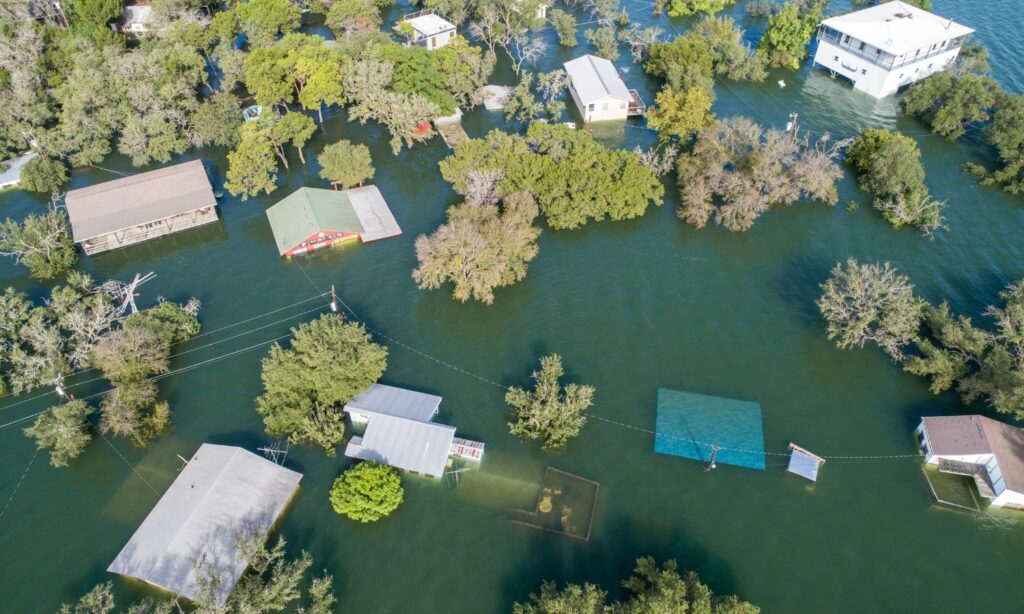
Natural disasters can strike at any moment, leaving homeowners vulnerable to significant financial losses. Understanding natural disaster home insurance is crucial for protecting one’s most valuable asset. This type of coverage goes beyond standard homeowners’ insurance, offering specialized protection against events like earthquakes, floods, hurricanes, and wildfires that can cause extensive damage to homes and property.
This guide aims to provide a comprehensive look at natural disaster home insurance. It will explore how to create an effective insurance plan, navigate the claims process, and prepare financially for disasters. The article will also delve into risk management strategies to minimize potential losses. By the end, readers will have a clear understanding of how to safeguard their homes against the unpredictable forces of nature.

Creating a Comprehensive Natural Disaster Insurance Plan
Assessing Your Property’s Vulnerabilities
To create an effective natural disaster insurance plan, homeowners should start by conducting a thorough risk assessment. This process involves evaluating potential hazards, vulnerabilities, and exposures specific to their property . Factors to consider include the property’s proximity to water bodies, local weather patterns, and topography. Low-lying areas or those near rivers, lakes, or coastal regions face an elevated flood risk. Additionally, regions prone to heavy rainfall, hurricanes, or rapid snowmelt are more vulnerable to flooding .
Customizing Coverage for Multiple Perils
Standard homeowners insurance policies typically cover a range of perils, including fire, lightning strikes, windstorms, hail, explosions, and vandalism. However, it’s crucial to understand that not all natural disasters are included in standard coverage . For instance, earthquake insurance often requires a separate endorsement. To ensure comprehensive protection, homeowners should consider additional coverage options such as:
- Flood insurance
- Guaranteed replacement coverage
- Specialized endorsements for specific risks
The Importance of Regular Policy Reviews
Regularly reviewing and updating insurance policies is essential to maintain adequate coverage. Annual reviews help identify potential gaps and ensure that the policy aligns with the property’s current risk profile . During these reviews, homeowners should:
- Assess any changes in property value or risk factors
- Review policy exclusions carefully
- Consult with an insurance professional to evaluate coverage needs
By following these steps, homeowners can create a comprehensive natural disaster insurance plan that provides robust protection against various perils.
Navigating the Claims Process
Documenting Damage
When filing a natural disaster insurance claim, proper documentation is crucial. Homeowners should start by taking photographs of all affected areas, both exterior and interior . This visual evidence helps tell the story of the damage and supports the claim. It’s important to document structural damages, personal property losses, and even equipment used in emergency restoration . Creating a detailed inventory of damaged items, including purchase information and receipts where possible, strengthens the claim.
Working with Insurance Adjusters
Insurance adjusters play a key role in evaluating damage and determining claim settlements. Homeowners should be present during the adjuster’s visit to point out damages and provide documentation . It’s essential to remember that company adjusters work for the insurance provider, not the homeowner . To ensure fair compensation, homeowners may consider hiring a public adjuster, who can advocate on their behalf and potentially secure higher payouts .
Appealing Claim Decisions
If a claim is denied or the settlement is unsatisfactory, homeowners have the right to appeal. The appeal process typically involves submitting a letter explaining why the decision is incorrect, along with supporting documentation . It’s crucial to understand the reason for denial and provide evidence to address those specific issues . Homeowners should include all requested documents, such as proof of occupancy and ownership, and ensure each page is properly identified with the claim number .
Beyond Insurance: Financial Preparedness for Disasters
Emergency Savings Strategies
An emergency fund is crucial for financial preparedness during disasters. It’s a cash reserve set aside for unplanned expenses or financial emergencies . Even small savings can provide financial security. To build savings, homeowners should assess their cash flow, identifying opportunities to adjust spending and savings . Automatic savings through bank transfers or paycheck splitting can help build consistent contributions . Setting guidelines for what constitutes an emergency expense helps maintain the fund’s integrity .
Securing Important Documents
Organizing and backing up vital documents is essential before a disaster strikes. Important papers to gather include personal records, financial documents, medical records, and family mementos . Store originals off-site and keep copies in a home emergency kit . Consider using cloud storage for digital backups, but be aware of potential vulnerabilities . Safeguarding these documents ensures access to essential information and reduces stress during difficult times following a disaster .
Utilizing Disaster-Specific Financial Resources
FEMA disaster assistance may provide grants to homeowners and renters for basic home repairs, temporary housing rental, and other uninsured expenses.

Conclusion
Natural disaster home insurance plays a crucial role in safeguarding homeowners against the unpredictable forces of nature. This guide has shed light on the key aspects of creating a comprehensive insurance plan, navigating the claims process, and preparing financially for disasters. By assessing property vulnerabilities, customizing coverage, and regularly reviewing policies, homeowners can ensure they have robust protection tailored to their specific needs.
Beyond insurance, financial preparedness is essential to weather the storm of natural disasters. Building emergency savings, securing important documents, and knowing how to tap into disaster-specific resources can make a big difference in the aftermath of a catastrophe. By taking these steps, homeowners can boost their resilience and be better equipped to handle the challenges that natural disasters may bring their way.
FAQs
What types of natural disasters does standard home insurance cover?
Standard home insurance policies typically cover a variety of natural disasters and weather-related events such as wind, hail, lightning strikes, and wildfires. However, they generally do not cover damages resulting from floods or earthquakes.
Which disasters are typically excluded from standard homeowners insurance policies?
Standard homeowners insurance policies do not cover floods or earthquakes. Flood damage and earthquake damage require separate policies or endorsements. Additionally, damages caused by poor maintenance or sewer backups are also not covered under typical homeowners insurance.
What does comprehensive perils coverage entail in home insurance?
Comprehensive perils coverage in a home insurance policy means that the policy covers all types of losses except those specifically excluded. For example, a comprehensive policy might cover all perils except for earthquakes and hurricanes.
Is there a specific type of insurance for catastrophic events?
Yes, many insurance providers offer catastrophic homeowners insurance, which can be purchased as standalone policies or as endorsements to standard home insurance policies. This type of coverage is designed to protect against the perils most likely to occur in your area.